The Importance of Prompt Mold Removal Deltona FL to Protect Your Home
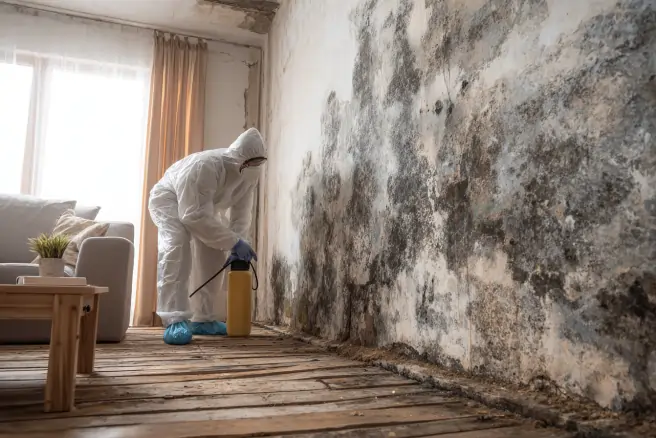
Mold is more than just an unsightly nuisance; it can cause significant issues for both your health and your home if left unchecked. Delaying mold remediation can lead to worsening conditions that are both costly and difficult to reverse. Addressing mold problems promptly is critical to maintaining a safe, healthy, and structurally sound living environment.
The Dangers of Delaying Mold Removal
- Health Risks Increase: Prolonged exposure to mold spores can exacerbate allergies, asthma, and respiratory illnesses. Individuals with compromised immune systems are especially vulnerable.
- Structural Damage Worsens: Mold eats away at structural components like wooden beams or drywall, weakening the integrity of your home over time.
- Higher Costs for Remediation: The longer you wait, the more extensive—and expensive—the remediation process becomes due to increased spread of the infestation.
Common Causes of Mold Growth
- Leaking Pipes: Small plumbing leaks often go unnoticed until significant damage occurs.
- Condensation Issues: Poor insulation or high humidity levels can lead to condensation buildup on windows or walls.
- Roof Leaks: Water infiltrating through a damaged roof creates a perfect breeding ground for mold in attics or ceilings.
- Flooding: Improperly dried areas after water damage can result in severe mold outbreaks.
Long-term Impacts on Your Home
| Structural Component | Impact of Mold |
| Drywall | Weakens integrity; may crumble over time |
| Wooden Beams | Rotting and loss of strength |
| Insulation | Reduced effectiveness; requires replacement |
| Flooring (Carpets/Wood) | Warping and discoloration |
Addressing these issues early ensures that repairs remain manageable rather than turning into full-scale replacements.
Steps for Timely Action
- Inspect areas prone to dampness (e.g., basements, bathrooms) regularly.
- Address sources of moisture immediately by repairing leaks or improving ventilation.
- Consult professional remediation services rather than attempting DIY methods if the infestation is extensive.
Taking immediate action saves money, preserves the value of your home, and ensures a healthier living space for everyone involved.
Effective Mold Remediation Deltona FL: Preventing Structural Damage
Mold growth in your home is not just an eyesore or a potential health hazard; it can also lead to significant structural damage if left untreated. Understanding how mold impacts various parts of your home and learning effective prevention strategies is essential for preserving the integrity, safety, and value of your property.
How Mold Causes Structural Damage
- Wood Rot: Mold feeds on organic materials like wood, breaking down its fibers and causing it to weaken or rot. This can compromise support beams, floor joists, or furniture.
- Drywall Deterioration: Drywall is highly susceptible to mold infestation. Once drywall absorbs moisture, mold begins growing inside it, leading to crumbling walls that may need complete replacement.
- Foundation Cracks: When mold grows near or around your home’s foundation due to persistent water exposure, it can exacerbate existing cracks or create new ones as the material weakens over time.
- Insulation Damage: Mold growing on insulation degrades its efficiency and functionality. Contaminated insulation often needs removal because cleaning it thoroughly is nearly impossible.
Areas Most at Risk for Mold-Induced Damage
| Area | Common Cause of Moisture | Risk Level |
| Basements | Poor ventilation or water seepage | High |
| Roofs and Attics | Leaking roofs or improper ventilation | High |
| Bathrooms | High humidity and plumbing leaks | Moderate |
| Kitchens | Leaking pipes under sinks | Moderate |
| Windowsills | Condensation buildup | Low |
Preventing Structural Damage from Mold
- Control Humidity Levels
Keep indoor humidity levels between 30%–50% using dehumidifiers or air conditioners in high-moisture areas like basements and bathrooms. - Fix Water Leaks Promptly
Inspect plumbing fixtures, pipes, and roofs regularly for signs of leaks. Repair any issues as soon as they arise. - Ensure Proper Ventilation
Use exhaust fans in kitchens and bathrooms to prevent moisture buildup during cooking or showering. - Address Foundation Issues
Seal cracks in the foundation with appropriate materials to prevent water infiltration. - Inspect Vulnerable Areas Frequently
Conduct routine checks in basements, attics, crawlspaces, and other damp areas for early signs of water intrusion or mold growth. - Use Mold-Resistant Materials During Renovations Opt for mold-resistant drywall or treated wood when building new structures or upgrading existing ones.
When You Need Professional Assistance
While small patches of surface-level mold may seem manageable with DIY approaches like cleaning solutions designed for these purposes (not bleach), more severe cases demand professional intervention. Professionals have specialized tools such as infrared cameras that detect hidden moisture sources behind walls or under floors—areas where structural damage often begins unnoticed.
Ignoring early warning signs like musty odors, discoloration on surfaces, peeling paint, sagging floors, or warped walls could result in costs far exceeding what preventative action would require.
By understanding how mold causes structural damage and adopting preventive measures today, you safeguard not only the durability of your home but also avoid unnecessary expenses down the line—while ensuring a safer living environment for everyone inside it.
Preventing Structural Damage from Black Mold in Deltona FL
Mold growth in your home is not just a cosmetic or health concern—it can significantly impact the structural integrity of the building. Understanding how mold damages structures and taking proactive steps to prevent it are essential for preserving the safety, value, and longevity of your property.
How Mold Causes Structural Damage
- Wood Decay: Mold feeds on organic materials like wood, breaking them down over time. This weakens wooden beams, floorboards, and other support structures.
- Drywall Deterioration: Drywall absorbs moisture easily. Prolonged exposure to mold can cause it to break apart or crumble.
- Compromised Insulation: Mold growing within insulation reduces its effectiveness, leading to energy inefficiency and further moisture problems.
- Foundation Issues: In severe cases where water intrusion goes unchecked, mold can permeate through cracks in concrete or foundations.
Over time, if left unaddressed, these issues can lead to costly repairs or make parts of your home unsafe for occupation.
Signs Your Home May Be Experiencing Mold-Related Damage
- Warped or buckled flooring
- Softened or sagging drywall
- Rotting wood components in walls or ceilings
- Persistent musty odors
- Visible black or green patches on walls and ceilings
- Excessive condensation around windows or pipes
Preventing Structural Damage Caused by Mold
Preventing mold growth is easier than addressing its consequences. Taking proactive measures can save you both time and money while ensuring your home remains structurally sound.
- Maintain indoor humidity levels below 50% using dehumidifiers if necessary.
- Repair leaks in roofs, pipes, windows, or foundations promptly.
- Use exhaust fans in bathrooms and kitchens to reduce excess humidity.
- Keep your home well-ventilated by opening windows when possible.
- Install ventilation systems in areas prone to excess moisture (e.g., basements).
- Check for visible signs of water damage around plumbing fixtures, under sinks, and near windows.
- Inspect attics and crawl spaces periodically for any signs of dampness or discoloration.
- Opt for water-resistant building materials such as treated wood or mold-resistant drywall during renovations.
- Clear gutters regularly to prevent water buildup near your foundation.
- Grade landscaping so that water flows away from your home’s base.
| Building Material | Risk Level if Exposed to Mold | Suggested Preventative Measure |
| Wood | High | Apply sealants; ensure proper ventilation |
| Drywall | High | Use mold-resistant varieties |
| Insulation | Moderate | Replace damaged sections immediately |
| Concrete | Low | Seal cracks; control surrounding moisture |
When Professional Help Is Necessary
- If the affected area exceeds 10 square feet as recommended by the EPA.
- When you notice persistent issues despite implementing measures such as fixing leaks and improving ventilation.
- If structural components like beams show significant deterioration due to rot caused by prolonged exposure.
Professional remediation teams such as deltonamoldremoval.org not only address existing damage but also identify root causes of recurring problems such as hidden leaks or inadequate air circulation systems.
By staying vigilant against early warning signs and proactively managing moisture control strategies within your home environment—you’ll significantly lower risks associated with structural deterioration caused by unchecked mold growth over time while maintaining a safe living space for all occupants involved.
The Importance of Scheduling a Mold Inspection Deltona FL to Prevent Costly Damage
Ignoring mold growth in your home can lead to significant financial repercussions over time. Many homeowners underestimate the potential costs associated with uncontrolled mold, often dismissing it as a minor issue. However, failure to address mold promptly can result in compounded expenses that affect property value, repair needs, and even health-related costs.
1. Increased Repair Costs
When mold is left untreated, it spreads quickly and can compromise the structural integrity of your home. The longer you delay remediation, the more extensive (and expensive) the necessary repairs will be. Common areas affected include:
– Drywall and Insulation: Mold feeds on organic materials like paper backing in drywall or cellulose in insulation, requiring complete replacement in many cases.
– Flooring: Carpets, hardwood floors, and subflooring can become irreparably damaged by prolonged exposure to mold growth and moisture.
– HVAC Systems: Mold spores can infiltrate ductwork and HVAC systems, necessitating costly cleaning or even full system replacements.
The cost of remediation skyrockets with larger infestations, as contractors may need to remove and replace entire sections of walls or flooring.
2. Decline in Property Value
A home with visible signs of mold or a history of previous infestations is less attractive to potential buyers. Real estate experts frequently cite mold as one of the top reasons for reduced property value. Key issues include:
– Disclosure Requirements: In many jurisdictions, sellers are required to disclose known issues like past water damage or mold presence during property transactions.
– Failed Inspections: Mold often leads to failed inspections during the sale process, forcing sellers to remediate problems before closing deals at their own expense.
Failing to address a persistent mold problem could result in a lower selling price—or worse—render the house unsellable without major renovations.
3. Escalating Health Costs for Occupants
Uncontrolled mold growth isn’t just harmful to your home; it also poses risks to your health that can translate into financial burdens due to medical expenses or lost productivity from illness. Health concerns linked to prolonged exposure include:
– Respiratory problems such as asthma or chronic bronchitis exacerbated by airborne spores. – Allergic reactions ranging from skin irritation to severe responses requiring medical attention. – Long-term health complications for individuals with weakened immune systems.
Treating these conditions over time could add up significantly in terms of doctor visits, medications, and missed workdays—all preventable if mold is addressed early.
4. Legal Risks Stemming from Neglect
Landlords and property managers who fail to remediate visible or reported cases of mold risk facing lawsuits due to negligence claims filed by tenants experiencing adverse health effects or uninhabitable living conditions.
Legal repercussions may involve payouts for damages or compensation agreements that far exceed what addressing the initial problem would have cost.
| Category | Potential Cost Range | Example Scenarios |
| Minor Repairs | $500 – $1,500 | Replacing small drywall sections |
| Major Remediation | $3,000 – $10,000+ | Removing widespread infestations |
| HVAC System Cleaning | $1,000 – $5,000 | Ductwork cleaning/replacement |
| Property Value Reduction | 10%-25% Loss | Decreased marketability |
Ignoring uncontrolled mold growth not only impacts your home’s functionality but also creates unnecessary financial stress down the line through repair needs, devaluation risks, healthcare concerns—and even legal challenges where applicable. Remediation is not optional; it’s an investment toward maintaining both your property’s integrity and your peace of mind long term.
Why Professional Mold Testing Deltona FL Services Are Better Than DIY Solutions
When dealing with mold in your home, it may be tempting to take matters into your own hands and attempt a DIY solution. However, while this approach might seem cost-effective and straightforward initially, it often leads to incomplete remediation, potential health risks, and even higher long-term costs. Understanding why DIY mold removal isn’t always effective can help you make an informed decision when tackling this issue.
Limited Effectiveness of Store-Bought Products
Many homeowners rely on store-bought mold removal sprays or homemade solutions, such as vinegar or bleach. While these products may appear effective at first glance—especially for surface-level mold—they do not address the root cause of the problem.
- Surface Cleaning Only: Most store-bought products are designed to clean visible mold but fail to penetrate porous materials like drywall, wood, or carpet where spores can thrive.
- Regrowth Risk: Without addressing the underlying moisture issue that caused the mold growth, the problem will likely recur within a short period.
- Incomplete Eradication: Mold often spreads beyond what is visible. DIY efforts frequently leave behind spores in hidden areas like behind walls and under floors.
Lack of Proper Equipment and Expertise
Professional mold remediation companies use specialized equipment and follow industry-standard procedures to ensure thorough removal. Unfortunately, most homeowners lack access to this level of expertise and tools.
- HEPA (High-Efficiency Particulate Air) vacuums for capturing airborne spores.
- Moisture meters to detect hidden water sources.
- Industrial-grade dehumidifiers for moisture control during remediation.
- Negative air machines to isolate contaminated areas.
Without these tools or a proper understanding of how mold behaves in different environments, DIY cleaning efforts are unlikely to achieve lasting results.
Health Risks Associated with Improper Handling
Mold releases microscopic spores into the air when disturbed. These spores can cause various health issues if inhaled or come into contact with skin. Attempting DIY cleanup without proper protective gear increases your exposure risk.
Common health risks include: – Respiratory problems such as asthma flare-ups or allergic reactions. – Sinus congestion, coughing, and throat irritation due to spore inhalation. – Skin irritation from direct contact with certain types of molds.
Professionals wear certified personal protective equipment (PPE), including respirators and gloves, ensuring safety throughout the process—something that is hard for a homeowner to replicate effectively.
Hidden Costs of Inadequate Remediation
| Cost Factor | DIY Mold Removal | Professional Remediation |
| Initial Supplies/Products | Low | Moderate |
| Risk of Recurrence | High | Low |
| Long-Term Structural Damage | Likely | Unlikely |
| Health Complications | Possible | Rare |
Although professional services may come with higher upfront costs, they often save homeowners significant money in preventing further damage down the road.
The Importance of Professional Inspections
Unlike DIY approaches that focus only on visibly affected areas, professional remediation includes thorough inspections using advanced tools like infrared thermal imaging cameras. This ensures every area affected by moisture—and therefore at risk of harboring mold—is identified and addressed.
Professionals also assess ventilation systems such as HVAC units that could unknowingly spread spores throughout your home if left untreated—something rarely considered during a DIY cleanup effort.
Final Thoughts
DIY solutions may work for very minor cases involving surface-level problems; however, they are not recommended for significant infestations or cases where structural integrity or health risks are involved. Trusting trained professionals equipped with industry-grade tools ensures not just effective remediation but also peace of mind knowing your home is safe from future outbreaks.
Essential Tips from a Mold Removal Company Deltona FL for Detecting Hidden Water Damage and Mold in Your Home
Addressing mold issues in your home starts with detection. Often, mold problems stem from hidden water damage that is not immediately visible. Learning how to recognize these signs can save you time, money, and protect your health.
Common Sources of Hidden Water Damage
Water damage may not always be apparent at first glance. Here are some common but often overlooked sources:
– Leaky Pipes: Small leaks behind walls or under sinks can lead to moisture buildup over time.
– Roof Leaks: Damaged shingles or flashing can allow water to seep into attics and ceilings.
– Condensation: Excessive condensation around windows, pipes, or HVAC systems creates an environment conducive to mold growth.
– Flooding Residue: Areas affected by past flooding may harbor hidden dampness long after the surface appears dry.
Signs of Hidden Water Damage
Identifying the early signs of water damage is crucial for preventing mold growth:
– Discoloration on Walls or Ceilings: Yellow, brown, or dark stains are indicators of moisture penetration.
– Peeling Paint or Wallpaper: Bubbling or flaking surfaces often suggest dampness underneath.
– Warped Flooring: Wooden floors that buckle, cup, or warp may indicate prolonged exposure to moisture.
– Musty Odor: Persistent earthy smells often signal hidden mold colonies fueled by unseen water sources.
Identifying Mold Growth in Your Home
- Mold commonly appears as black, green, white, or even orange spots on surfaces such as walls, ceilings, tiles, and furniture.
- If household members experience persistent coughing, sneezing, skin irritation, or respiratory discomfort indoors but not elsewhere, mold might be the cause.
- Areas previously marked by stains from leaks can quickly become a breeding ground for mold if left untreated.
- Crumbling drywall, decaying wood structures, or unexplainable softness in building materials could indicate ongoing mold activity behind surfaces.
Proactive Steps for Detection
| Action Step | Importance |
| Regular Inspection | Perform frequent checks around windowsills, basements, attics, and crawl spaces for any signs of dampness or leaks. |
| Monitor Humidity Levels | Use a hygrometer to ensure indoor humidity stays below 50%. |
| Investigate Unusual Smells | Do not ignore persistent musty odors; they often point to concealed issues. |
| Fix Leaks Immediately | Address plumbing issues promptly before they escalate into bigger problems. |
By understanding where hidden water damage occurs and learning how to identify early signs of mold growth effectively through visual observations and environmental monitoring tools like hygrometers—homeowners can take preventive steps before minor repairs turn into costly remediation projects.
Avoid This Common Mistake: Why Bleach Doesn’t Effectively Kill Mold
When faced with a mold issue, many homeowners turn to bleach as their first line of defense. While bleach is commonly perceived as a quick and inexpensive solution, it is not an effective method for removing mold. In fact, relying on bleach for mold remediation can lead to more harm than good. Understanding why bleach falls short and exploring better alternatives can save you time, money, and prevent further complications.
Why Bleach Isn’t Effective for Mold Removal
- Limited Penetration
Bleach works primarily on non-porous surfaces such as glass or tiles but fails to address mold growing in porous materials like drywall, wood, or fabric. Mold roots (called hyphae) embed deeply into these materials. While bleach may clean surface stains, it does not penetrate deeply enough to kill the underlying mold colony. - Moisture Content in Bleach
Chlorine bleach contains a high percentage of water. When applied to porous surfaces, the water can soak into the material, creating an environment conducive to future mold growth. Ironically, this can exacerbate the problem rather than solve it. - Ineffectiveness Against Certain Mold Types
Not all types of mold respond to the chemical properties of chlorine in bleach. Some species develop resistance or are unaffected by its application entirely. - Health Risks from Bleach Use
Prolonged exposure to bleach can pose health risks such as respiratory irritation and eye discomfort. Instead of eliminating health hazards caused by mold, using bleach may contribute additional risks during application in poorly ventilated areas.
Better Alternatives for Removing Mold
- Specialized Fungicides: Mold remediation products designed specifically for killing mold are more effective at eliminating colonies without contributing excess moisture.
- White Vinegar: With natural antimicrobial properties, white vinegar can kill most types of household mold when applied directly.
- Hydrogen Peroxide (3% Solution): This is another safe alternative that penetrates porous surfaces while effectively addressing root-level contamination.
- Professional Remediation Services: For widespread issues or stubborn infestations, hiring certified professionals ensures proper removal using advanced tools and techniques that target both visible and hidden colonies.
Steps for Effective Mold Remediation
| Aspect | Using Bleach | Professional Remediation |
| Surface Penetration | Limited | Deep penetration into materials |
| Risk of Recurrence | High | Low |
| Addressing Root Cause | No | Yes |
| Health Risks | Potentially harmful fumes | Proper safety measures taken |
Preventing Common Mold Issues
To minimize the risk of needing remediation altogether: – Fix leaks promptly (e.g., plumbing or roof).
– Ensure proper ventilation in humid areas such as bathrooms and kitchens. – Use dehumidifiers in rooms with consistently high moisture levels. – Regularly inspect hidden or less-visible areas like basements and attics for early signs of water damage or discoloration.
By avoiding reliance on ineffective solutions like bleach and instead opting for proven alternatives or professional help where necessary, you’ll protect your home’s structure while safeguarding your family’s health from persistent mold problems.
- The Importance of Prompt Mold Removal Deltona FL to Protect Your Home
- Mold Removal Deltona FL: How to Spot It After Water Damage and Prevent Future Issues
- Mold Removal Deltona FL: Understanding the Difference Between Abatement and Remediation
- What to Expect During Mold Remediation in Deltona FL and How Much It Costs
- Effective Mold Remediation Deltona FL: 3 Signs of Black Mold and How to Remove It
- Essential Tips for Mold Inspection Deltona FL: How to Spot Black Mold and Expert Tips for Mold Removal Deltona FL
- How to Determine If You Need Mold Removal Deltona FL Services
- Understanding Mold Remediation Deltona FL: Key Differences from Mold Removal
- Understanding Mold Removal Deltona FL: Costs and Key Factors to Consider