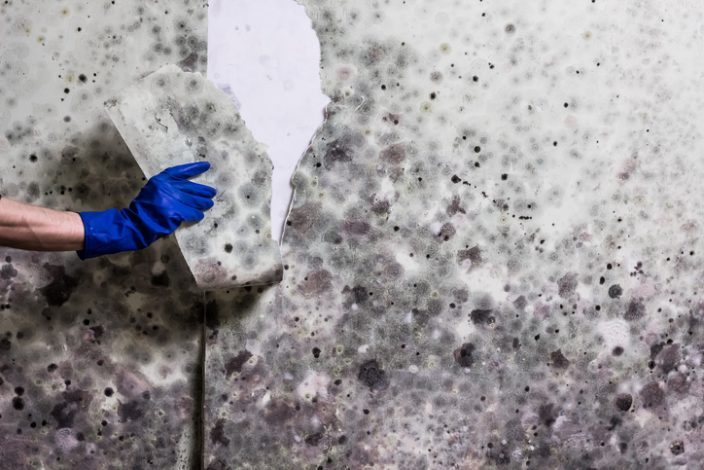
When it comes to addressing mold problems in your home or property, two terms often come up: mold abatement and mold remediation. While they may seem interchangeable, these processes have distinct purposes and applications. Understanding their differences will help you choose the right solution for your specific situation.
What Is Mold Abatement?
- Identifying affected areas through testing or inspection.
- Applying specialized cleaning agents to kill surface mold.
- Removing contaminated materials, like drywall or carpeting, if necessary.
- Sealing off affected zones to prevent cross-contamination during cleanup.
The key goal of abatement is immediate reduction rather than targeting the root causes of mold growth—a crucial distinction from remediation.
What Is Mold Remediation?
Mold remediation takes a broader approach, aiming not only to remove existing mold but also to address the underlying factors that lead to its growth. Remediation involves identifying and tackling moisture issues—such as leaks or high humidity—that create an environment conducive for mold proliferation.
Key steps in remediation include:
1. Inspection and Assessment: Determining the extent of contamination using tools like moisture meters and air quality tests. 2. Source Control: Identifying water leaks, poor ventilation, or high humidity sources contributing to mold growth. 3. Containment Measures: Using barriers such as plastic sheeting and negative air pressure machines to isolate affected areas. 4. Mold Removal: Removing both visible surface molds and deeply embedded spores from materials like wood or concrete. 5. Moisture Management: Installing dehumidifiers or fixing water intrusions to prevent recurrence. 6. Restoration: Repairing damaged areas after successful treatment.
Remediation provides a long-term solution by addressing both existing mold colonies and environmental triggers.
Differences Between Abatement & Remediation
| Aspect | Mold Abatement | Mold Remediation |
| Primary Objective | Reduce existing levels of mold | Eliminate mold at its source |
| Scope | Focuses on immediate removal | Includes prevention measures |
| Addressing Root Cause | Does not tackle moisture issues | Fixes underlying factors (e.g., leaks) |
| Application | Temporary solution | Long-term effectiveness |
How To Choose Between Them
Choosing between abatement and remediation depends on several factors:
1. Severity of Infestation: For small-scale issues with no evident structural damage, abatement may suffice as a quick fix. 2. Root Cause Presence: If you notice persistent dampness, water damage, or recurring outbreaks after simple removal efforts, opt for full-scale remediation. 3. Health Concerns: Individuals with allergies or respiratory conditions should consider remediation for better indoor air quality.
By understanding each method’s purpose, you can ensure a safer living environment while mitigating future risks efficiently.
Step-by-Step Guide to Mold Remediation Deltona FL for Effective Mold Removal
Understanding the mold abatement process is crucial for ensuring that mold is effectively removed from your property while preventing its recurrence. Mold abatement focuses on containing and removing mold infestations to create a safer and healthier environment. Below is a detailed, step-by-step guide to help you understand how professionals approach this process.
Step 1: Inspection and Assessment
The first step in mold abatement involves a thorough inspection of the property. This phase helps identify:
– The location of the mold growth: Visible mold often indicates moisture problems in hidden areas like walls, ceilings, or HVAC systems.
– The type and extent of the infestation: Professionals may test air samples or surfaces to determine the species of mold and how far it has spread.
Key tools used in this stage include moisture meters, thermal imaging cameras, and borescopes for detecting hidden moisture sources.
Step 2: Containment of Affected Areas
To prevent cross-contamination, the affected area is sealed off using industry-grade containment measures such as:
– Plastic sheeting with zipper doors to separate contaminated areas from unaffected parts of the property.
– Negative air pressure systems to ensure that airborne spores do not escape into clean zones.
This step is critical in minimizing health risks and protecting other areas of your home or business.
Step 3: Air Filtration
Mold spores can easily travel through air circulation systems, making proper filtration a vital component of abatement. High-Efficiency Particulate Air (HEPA) filters are used in air scrubbers or vacuums to remove airborne particles, including spores and other allergens.
Benefits include: – Improved indoor air quality. – Reduced risk of respiratory issues caused by airborne contaminants.
| Equipment Used | Function |
| HEPA Filters | Captures 99.97% of particles larger than 0.3 microns |
| Air Scrubbers | Cleans air during remediation |
Step 4: Removal of Damaged Materials
Porous materials like drywall, carpeting, insulation, or wood affected by severe mold growth are typically removed because they cannot be salvaged effectively without risking continued contamination. This process includes:
1. Disposal using sealable bags to prevent spore dispersion during transit. 2. Sanitization of surrounding surfaces with EPA-approved antimicrobial solutions.
Non-porous surfaces like metal or glass are cleaned thoroughly using specialized cleaning agents.
Step 5: Cleaning and Decontamination
Once damaged materials are removed, all remaining surfaces are cleaned using industry-grade techniques such as dry ice blasting or damp wiping with fungicides and biocides.
Focus areas include: – HVAC systems (if impacted). – Hard-to-reach corners where spores could linger. – Furniture and personal belongings if they can be restored safely.
Step 6: Addressing Moisture Issues
Moisture control is at the core of effective mold abatement because it eliminates the conditions necessary for future growth. Professionals will identify sources like leaks or high humidity levels and recommend steps such as: – Sealing water leaks. – Improving ventilation. – Using dehumidifiers to maintain optimal indoor humidity levels (below 60%).
By addressing these concerns proactively, you reduce the risk of recurrence significantly.
Step 7: Verification After Abatement
Finally, after completing abatement tasks: 1. Post-abatement testing ensures successful remediation by measuring spore counts in treated areas compared with baseline levels from unaffected spaces. 2. Visual inspections confirm no visible traces remain on surfaces or furnishings.
This critical step guarantees that your space has been restored to safe conditions before re-entry.
Effective mold abatement requires meticulous planning and execution at each stage to ensure safety while handling hazardous materials like toxic molds (e.g., Stachybotrys chartarum). Understanding this process helps property owners make informed decisions when dealing with mold infestations in any environment.
Effective Black Mold Removal Explained Step by Step in Deltona, FL
Mold abatement refers to the process of eliminating mold and preventing its future growth through comprehensive cleaning, removal, and treatment techniques. This systematic approach is crucial for ensuring a safe and healthy environment, especially when dealing with significant or hazardous mold infestations. Below is a detailed step-by-step explanation of the mold abatement process to help you understand how professionals tackle mold issues effectively.
Step 1: Assessing the Mold Problem
- Inspecting visible areas: Identifying where mold colonies are growing.
- Testing air quality: Detecting spores that may not be immediately noticeable.
- Analyzing moisture levels: Identifying sources of water intrusion or excess humidity that contribute to mold growth.
This phase helps to determine the scope of the problem and guides the development of an appropriate action plan.
Step 2: Containment Measures
- Sealing off rooms with plastic sheeting.
- Using negative air pressure machines to isolate airflow from contaminated areas.
- Restricting access to affected spaces until remediation work is complete.
Proper containment ensures that no cross-contamination occurs during removal efforts.
Step 3: Air Filtration
- High-Efficiency Particulate Air (HEPA) filters are used in air scrubbers and vacuums to trap microscopic particles.
- Ventilation systems may also be sealed or filtered temporarily to ensure that spores do not enter HVAC ducts.
This step improves indoor air quality and reduces health risks associated with inhaling airborne spores.
Step 4: Removing Contaminated Materials
- Identifying irreparable items: Evaluating what materials cannot be salvaged due to extensive damage.
- Safe disposal: Bagging contaminated items securely in heavy-duty plastic bags for safe removal from the property.
Non-porous surfaces (such as metal or glass) can often be cleaned and disinfected instead of being removed entirely.
Step 5: Cleaning and Disinfecting Surfaces
- Scrubbing walls, floors, and non-removable fixtures with antimicrobial solutions.
- Using HEPA vacuuming on remaining debris after cleanup.
The goal here is both immediate cleaning and long-term prevention against regrowth by killing any remaining spores effectively.
Step 6: Addressing Moisture Issues
- Repairing water leaks in plumbing systems or roofs.
- Dehumidifying rooms using industrial-grade dehumidifiers.
A property’s humidity level should ideally remain below 50% after mitigation efforts are complete.
Step 7: Final Inspection
- Additional cleaning might take place if residual contamination exists.
Once cleared, safety protocols may lift accordingly allowing normal use/residential occupancy again under safer conditions compared earlier risks identified during initial evaluations above earlier documented phases outlined prior .
Comprehensive Guide to Mold Inspection Deltona FL: Eliminating Mold Effectively
Mold remediation is an essential process designed to effectively eliminate mold growth from affected areas and prevent future occurrences. It involves a systematic approach that not only removes visible mold but also addresses the underlying causes, ensuring a safe and healthy living or working environment. Below, we’ll explore the key components of the mold remediation process in detail.
Assessment and Inspection
- Mold Type Identification: Samples may be taken for laboratory analysis to identify the specific type(s) of mold present.
- Source Analysis: The root causes of moisture problems—such as leaks, humidity, or poor ventilation—are located.
- Developing a Plan: Based on findings, a detailed remediation plan is developed outlining steps and safety measures.
Containment of Affected Areas
- Setting up physical barriers, such as plastic sheeting.
- Using negative air pressure systems with HEPA filters to isolate contaminated areas.
- Restricting access to unaffected parts of the property by sealing doors and windows.
Effective containment minimizes secondary contamination risks in other parts of the building.
Air Filtration Systems
- Improved Air Quality: Removes harmful particles from indoor air.
- Prevents Recontamination: Keeps spores contained within sealed-off areas.
A combination of negative air machines and portable HEPA vacuums ensures thorough filtration throughout the process.
Mold Removal and Disposal
| Material Type | Removal Approach |
| Porous (e.g., drywall, carpet) | May require removal or complete replacement |
| Non-Porous (e.g., metal, glass) | Cleaned using EPA-approved fungicides or biocides |
All contaminated materials removed from the site are double-bagged in polyethylene bags for safe disposal at an appropriate facility.
Addressing Moisture Problems
- Repairing leaks in plumbing or roofing systems promptly.
- Improving ventilation through exhaust fans or dehumidifiers.
- Ensuring proper drainage around the building’s foundation.
By addressing these issues at their source, you reduce the likelihood of recurring mold problems while improving indoor conditions overall.
Restoration and Prevention Measures
- Replacing damaged materials (e.g., drywall or flooring).
- Applying anti-microbial sealants to treated surfaces as a protective layer.
- Educating property owners about maintaining proper humidity levels (ideally below 60%).
By taking proactive measures post-remediation, your property remains resilient against future infestations—ensuring peace of mind over time.
This comprehensive approach ensures that not only is existing mold effectively removed but efforts are made toward creating an environment where new growth cannot thrive again.
How to Determine If You Need Mold Testing Deltona FL or Mold Remediation for Your Property
Mold growth in your property can lead to serious structural damage and health risks if left unaddressed. Choosing between mold abatement and mold remediation depends on the extent of the problem, the type of mold present, and your long-term goals for maintaining a healthy indoor environment. This section will help you understand when to opt for each approach, ensuring you make an informed decision.
Understanding Mold Abatement vs. Mold Remediation
- Mold Abatement: Refers specifically to reducing or removing mold levels in a controlled area without necessarily addressing its root cause. It focuses on containment and removal but may not include preventive measures.
- Mold Remediation: A more comprehensive approach that not only removes existing mold but also identifies and corrects the underlying causes (e.g., moisture issues) to prevent future growth.
Both methods have their advantages depending on the severity of your mold problem.
When Should You Choose Mold Abatement?
- If the affected area is under 10 square feet (e.g., bathroom ceilings or small wall sections).
- The scope of contamination is limited and does not pose widespread concern.
- You need quick containment due to time constraints (e.g., moving out or pre-renovation work).
- When costs are a concern, abatement often acts as a cost-effective short-term solution.
When Should You Opt for Mold Remediation?
- Affected areas exceed 10 square feet or involve multiple rooms.
- Airborne spores have spread throughout HVAC systems.
- Family members experience frequent allergic reactions, respiratory issues, or other symptoms linked to toxic molds like Stachybotrys chartarum (black mold).
- Visible signs of wood rot, drywall crumbling, or water-damaged materials due to prolonged exposure.
- Persistent leaks, high humidity levels (>60%), or poor ventilation contribute continuously to mold proliferation.
- You aim for a comprehensive approach that addresses root causes such as plumbing repairs, waterproofing basements, and installing proper ventilation systems.
Table: Quick Comparison Between Mold Abatement and Remediation
| Criteria | Mold Abatement | Mold Remediation |
| Focus | Immediate reduction/removal | Long-term solution |
| Addresses Root Cause | No | Yes |
| Coverage Area | Small-scale contamination | Large-scale/recurring problems |
| Cost | Lower | Higher due to comprehensive steps |
| Techniques Used | Containment & surface cleaning | Removal + source mitigation |
Key Questions To Ask Before Making Your Decision
- How extensive is the current mold issue?
- Is there visible damage that requires deeper repairs?
- Are any household members experiencing health issues potentially related to mold exposure?
- What budgetary constraints do I need to consider?
- Am I looking for short-term control or long-term prevention?
By assessing these factors and consulting with professionals specializing in both approaches, you can confidently decide whether mold abatement or remediation is appropriate for your specific situation while protecting your property’s integrity and ensuring occupant safety.
How a Mold Removal Company Deltona FL Ensures Proper Containment and Air Filtration
Mold removal is a complex process that requires careful management to ensure effective and safe results. Two critical components of this process are mold containment and air filtration. These steps not only prevent further contamination but also safeguard the health of individuals in the affected space. Below we explore why containment and air filtration are essential elements in the mold removal process.
Importance of Mold Containment
Mold spores are microscopic particles that can easily become airborne during disturbance, such as cleaning or demolition activities. Without proper containment, these spores can spread throughout your property, creating secondary contamination zones and exacerbating the issue.
- Preventing Cross-Contamination: Containment barriers ensure that mold spores remain confined to the affected area, preventing them from spreading to clean zones.
- Protecting Occupants: By isolating the contaminated areas, you reduce potential exposure to harmful mold particles for occupants and workers.
- Streamlining Cleanup Efforts: Localizing the affected zone simplifies cleanup procedures and allows for more efficient remediation efforts.
| Type of Containment | Description |
| Source Containment | Directly sealing off specific areas or materials where mold is concentrated. |
| Full Containment | Enclosing larger spaces with plastic sheeting and tape to restrict airflow. |
| Critical Barriers | Installing temporary barriers like zip walls or negative air chambers. |
Role of Air Filtration in Mold Removal
Airborne mold spores pose significant risks to indoor air quality (IAQ) during remediation efforts. High-efficiency particulate air (HEPA) filtration systems play an integral role in mitigating these risks by capturing microscopic particles from the ambient environment effectively.
- Improved Indoor Air Quality
HEPA filters can trap up to 99.97% of particles down to 0.3 microns, including mold spores, dust, and other allergens. - Creating Negative Pressure Environments
Air scrubbers equipped with HEPA filters can create negative pressure within a contained space, ensuring airborne contaminants do not escape into surrounding areas. - Worker Protection
Proper air filtration minimizes occupational exposure for workers handling contaminated materials.
| Equipment Type | Purpose |
| Air Scrubbers/ Purifiers | Filters large volumes of contaminated air |
| HEPA Vacuums | Removes surface-level particulates |
| Negative Air Machines | Maintains controlled airflow for safety |
Best Practices for Successful Mold Containment & Filtration
- Install floor-to-ceiling plastic sheeting around contaminated areas using airtight seals.
- Use double layers or overlapping sheets at entry points along with zippered openings for worker access.
- Continuously operate HEPA-filtered machines until all visible signs of contamination have been removed.
- Conduct post-removal testing or inspection before dismantling barriers or deactivating equipment.
Incorporating both containment measures and advanced air filtration technologies ensures thorough remediation while significantly reducing health-related hazards associated with airborne pollutants like molds. They represent two essential pillars supporting successful long-term outcomes during any professional abatement project aimed at restoring safe living conditions indoors effectively without disruptions caused through improper handling/ short-cut approaches
FAQs About Mold Abatement and Remediation: Addressing Common Concerns
Mold growth is a common yet potentially hazardous issue for property owners. Understanding mold abatement and remediation is crucial in effectively tackling the problem. Below are frequently asked questions about these processes to help you make informed decisions.
What is the Difference Between Mold Abatement and Mold Remediation?
- Mold Abatement: Focuses on reducing mold levels to safe thresholds as defined by environmental or regulatory standards. This process often involves cleaning and removing mold from affected surfaces.
- Mold Remediation: A more comprehensive approach that identifies the source of moisture feeding the mold, removes existing colonies, repairs affected areas, and ensures conditions are unfavorable for future growth.
Both are effective solutions depending on the severity of the infestation, but remediation tends to address root causes more thoroughly.
How Do I Know if I Need Mold Removal Services?
You should consider professional mold removal services if:
– You notice visible signs of mold (e.g., black or green spots).
– There is a persistent musty odor in certain areas of your property.
– Individuals in your household experience unexplained respiratory issues or allergic reactions.
– Water damage has recently occurred, as this creates ideal conditions for mold development.
A professional inspection can determine whether abatement or remediation is necessary based on your specific situation.
What Health Risks Are Associated with Mold Exposure?
Exposure to mold can lead to various health problems, depending on individual sensitivities and exposure levels:
– Allergic reactions such as sneezing, runny nose, or skin irritation.
– Respiratory issues, including asthma attacks or difficulty breathing.
– Chronic fatigue or headaches in individuals exposed for prolonged periods.
Those with compromised immune systems, young children, and older adults may be at a higher risk of severe symptoms.
Can I Handle Mold Removal on My Own?
DIY methods can sometimes address minor surface-level infestations using household cleaners like vinegar or baking soda; however:
1. Extent of Growth Matters: If the affected area exceeds 10 square feet, professional assistance is recommended according to EPA guidelines.
2. Safety Risks: Without proper protective gear (e.g., gloves, respirators), DIY efforts may expose you to harmful spores during cleanup activities. 3. Underlying Moisture Issues: Professionals use advanced tools like infrared cameras and moisture meters to identify hidden sources of water that foster mold growth.
For extensive infestations or recurring issues, consulting experts ensures effective long-term results.
What Does a Professional Mold Remediation Process Involve?
| Step | Description |
| Inspection/Assessment | A detailed evaluation identifies contaminated areas and measures moisture levels. |
| Containment | Barriers (plastic sheeting) and negative air pressure limit spore spread during cleanup. |
| Air Filtration | HEPA filters remove airborne spores while improving indoor air quality. |
| Removal | Technicians safely remove damaged materials like drywall or carpeting as needed. |
| Cleaning/Disinfection | Nonporous surfaces are thoroughly cleaned with antimicrobial products that kill spores effectively. |
| Repairs & Prevention | The source of moisture is resolved along with repairs to prevent recurrence. |
This structured approach ensures that both visible molds and microscopic spores are addressed comprehensively.
How Long Does the Process Take?
The duration depends on several factors such as:
– The size of the affected area. – Severity of contamination. – Extent of structural damage requiring repair work.
For small-scale issues, services might take a day or two; larger-scale remediation projects could extend over several days.
By understanding these frequently asked questions about mold abatement and remediation processes, property owners can take proactive steps toward maintaining healthier environments free from harmful molds while preventing future outbreaks effectively.
- The Importance of Prompt Mold Removal Deltona FL to Protect Your Home
- Mold Removal Deltona FL: How to Spot It After Water Damage and Prevent Future Issues
- Mold Removal Deltona FL: Understanding the Difference Between Abatement and Remediation
- What to Expect During Mold Remediation in Deltona FL and How Much It Costs
- Effective Mold Remediation Deltona FL: 3 Signs of Black Mold and How to Remove It
- Essential Tips for Mold Inspection Deltona FL: How to Spot Black Mold and Expert Tips for Mold Removal Deltona FL
- How to Determine If You Need Mold Removal Deltona FL Services
- Understanding Mold Remediation Deltona FL: Key Differences from Mold Removal
- Understanding Mold Removal Deltona FL: Costs and Key Factors to Consider