
Mold growth is a common issue after water damage, and it can lead to long-term problems if not addressed promptly. Understanding how to spot mold and take preventative measures is essential for maintaining a safe and healthy environment in your home. Here’s how you can identify mold after water damage and protect your property from future infestations.
Common Signs of Mold After Water Damage
- Visible Growth: Mold often appears as black, green, or gray patches on surfaces like walls, ceilings, or floors.
- Musty Odors: A persistent damp or musty smell is often a sign of hidden mold growth.
- Discoloration: Water-stained areas may develop dark spots over time as mold begins to grow.
- Health Symptoms: Allergic reactions such as sneezing, coughing, skin irritation, or respiratory issues may indicate the presence of mold in your home.
- Warped Materials: Wood flooring or drywall that becomes warped or swollen might be harboring hidden mold colonies.
Steps to Spot Hidden Mold
- Inspect High-Risk Areas: Focus on basements, attics, under sinks, behind appliances (like dishwashers), and inside HVAC systems where moisture tends to accumulate.
- Check for Moisture Traps: Use a moisture meter to identify damp walls or floors that might support mold growth beneath the surface.
- Use Flashlights and Mirrors: Shine light into dark corners or behind furniture to uncover potential problem spots.
- Look Behind Wallpaper/Paneling: Peeling wallpaper or loose paneling could indicate moisture trapped underneath with possible hidden mold.
- Consult Air Quality Monitors: Elevated humidity levels indoors (above 60%) may signal conditions conducive to unseen fungal growth.
How To Prevent Future Mold Issues
- Address Moisture Promptly: Fix leaks and dry wet materials within 24–48 hours whenever possible.
- Maintain Indoor Humidity Levels Below 50%: Use dehumidifiers in damp environments like basements during high-humidity seasons.
- Ventilate Spaces Properly: Ensure bathrooms and kitchens are well ventilated through exhaust fans or open windows when cooking/showering.
- Seal Vulnerable Surfaces: Consider sealing porous materials with waterproof coatings if they are prone-to-wet-area exposure (e.g., bathroom tiles).
- Inspect Your Home Regularly: Schedule periodic checks for signs of leaks around plumbing fixtures/rooflines after heavy rains/storms.
| Prevention Action | Frequency | Tools Needed |
| Fix Plumbing Leaks | Immediately upon discovery | Wrenches/Professional Services |
| Use Dehumidifiers | Seasonally/as needed | Portable Room Dehumidifiers |
| Inspect Roof & Gutters | Twice yearly | Ladder/Safety Gear |
| Clean HVAC Systems | Annually | Professional HVAC Service |
Why Timely Action Matters
Unchecked mold growth not only damages structures but also poses significant health risks over time. Prolonged exposure may lead to respiratory problems such as asthma attacks or allergic reactions due its mycotoxin release into air spaces occupied by occupants/users alike . Furthermore delaying remediation increases extent-cost-complexity involved removing-contaminated-materials restoring-safe-living-environments . Staying vigilant post-water-crisis ensures peace-o-mind longevity property investments protects occupant wellbeing sustainably
Effective Mold Remediation Deltona FL: Protect Your Home from Hidden Mold
Mold growth can often go unnoticed until it becomes a significant problem. Hidden mold, in particular, can develop in unseen areas like behind walls, under carpeting, or inside air ducts. Identifying early indicators of hidden mold is essential to protect your home and maintain a healthy living environment. Below, we explore the common signs to watch for and steps you can take to safeguard your property.
Common Signs of Hidden Mold
- Musty Odors
Persistent, earthy smells in certain rooms or areas could signal hidden mold growth. Even if you cannot see mold, an unusual odor is often an early warning sign. - Water Stains and Discoloration
Yellowish or brown stains on ceilings or walls may point to water damage conducive to mold formation. Look closely for peeling paint or discoloration as well. - Warping Walls and Flooring
Moisture buildup caused by leaks or condensation may lead to warped walls, bubbling paint, or buckling floors—potentially hiding mold underneath. - Increased Allergy Symptoms
Mold spores can trigger allergic reactions such as coughing, sneezing, itchy eyes, and respiratory issues. If symptoms worsen at home but improve elsewhere, it’s worth investigating for potential hidden mold. - Condensation Issues
Excessive condensation on windows or pipes creates a damp environment where mold thrives. Persistent moisture should be addressed promptly.
Areas Prone to Hidden Mold Growth
| Vulnerable Areas | Potential Causes |
| Bathrooms | Leaky fixtures, poor ventilation |
| Kitchens | Under sinks, behind appliances |
| Basements | Poor drainage, high humidity |
| HVAC Systems | Condensation within ducts |
| Attics | Roof leaks |
Regular inspections of these areas can help reduce the risk of undetected growth.
Steps to Protect Your Home from Hidden Mold
- Address Water Damage Immediately
Repair leaks in roofs, plumbing systems, and windows as soon as they occur. Dry affected areas thoroughly within 24–48 hours after water exposure. - Control Humidity Levels
Use dehumidifiers in damp spaces and ensure indoor humidity remains below 60%. Proper ventilation is also critical in bathrooms and kitchens. - Improve Air Circulation
Open windows regularly when weather permits and use fans for better air movement throughout your home. - Inspect Vulnerable Areas Regularly
Schedule routine inspections for basements, attics, HVAC systems, and other common problem spots prone to moisture buildup. - Use Mold-Resistant Materials
When renovating or repairing your home after water damage incidents, opt for materials designed to resist mold growth (e.g., mildew-resistant drywall).
By staying vigilant about these indicators and preventative steps outlined above you can significantly reduce risks associated with undetected growing molds ensuring safer healthier homes
Spot Early Signs of Black Mold Deltona FL and Safeguard Your Home
Detecting hidden mold early is crucial for maintaining a healthy living environment and preventing costly structural damage. Mold often develops in concealed spaces, making it difficult to identify until it spreads extensively. Below are some warning signs and tips that can help you spot hidden mold, along with measures to protect your home.
Common Signs of Hidden Mold
- Persistent Musty Odors: A damp, earthy smell indoors could indicate mold growing behind walls, under floorboards, or in other concealed areas.
- Unexplained Health Issues: Respiratory problems such as coughing, sneezing, or worsening asthma symptoms may be linked to mold exposure.
- Discoloration on Surfaces: Stains or discoloration on ceilings, walls, or floors could be a sign of moisture intrusion and potential mold growth beneath the surface.
- Peeling Paint or Wallpaper: Excess moisture behind painted walls can cause paint to bubble or peel, creating an environment conducive to mold growth.
- Warping Walls or Floors: Persistent dampness can cause wood and drywall to warp or buckle over time.
- Water Damage History: Homes with previous water damage incidents (e.g., from flooding or leaking appliances) are at higher risk for hidden mold development.
Key Areas Prone to Hidden Mold
| Location | Risk Factors |
| Bathrooms | High humidity from showers and baths |
| Attics | Poor ventilation combined with roof leaks |
| Basements | Dampness from groundwater seepage |
| Kitchens | Leaks around sinks, dishwashers, and refrigerators |
| HVAC Systems | Moisture buildup inside ducts |
How to Inspect for Hidden Mold
- Check for water stains near plumbing fixtures like sinks and tubs.
- Use a flashlight during inspections of poorly lit areas such as basements or crawlspaces.
- Tap gently on walls – hollow sounds may indicate moisture damage inside the drywall.
- Monitor air quality in rooms where musty odors persist.
Preventive Measures for a Mold-Free Home
- Control Indoor Humidity Levels: Keep humidity levels between 30%–50% using dehumidifiers if necessary.
- Fix Water Leaks Promptly: Repair leaking pipes, roofs, windows, or appliances as soon as possible.
- Ventilate Properly: Ensure adequate airflow in bathrooms and kitchens by using exhaust fans during use.
- Inspect Regularly: Perform routine checks in high-risk areas (e.g., basements) for signs of water intrusion or excessive dampness.
- Use Mold-resistant Materials: Opt for mildew-resistant paint when renovating moisture-prone rooms like bathrooms.
By addressing early indicators promptly and taking protective measures against future occurrences, homeowners can mitigate health risks while preserving their property value.
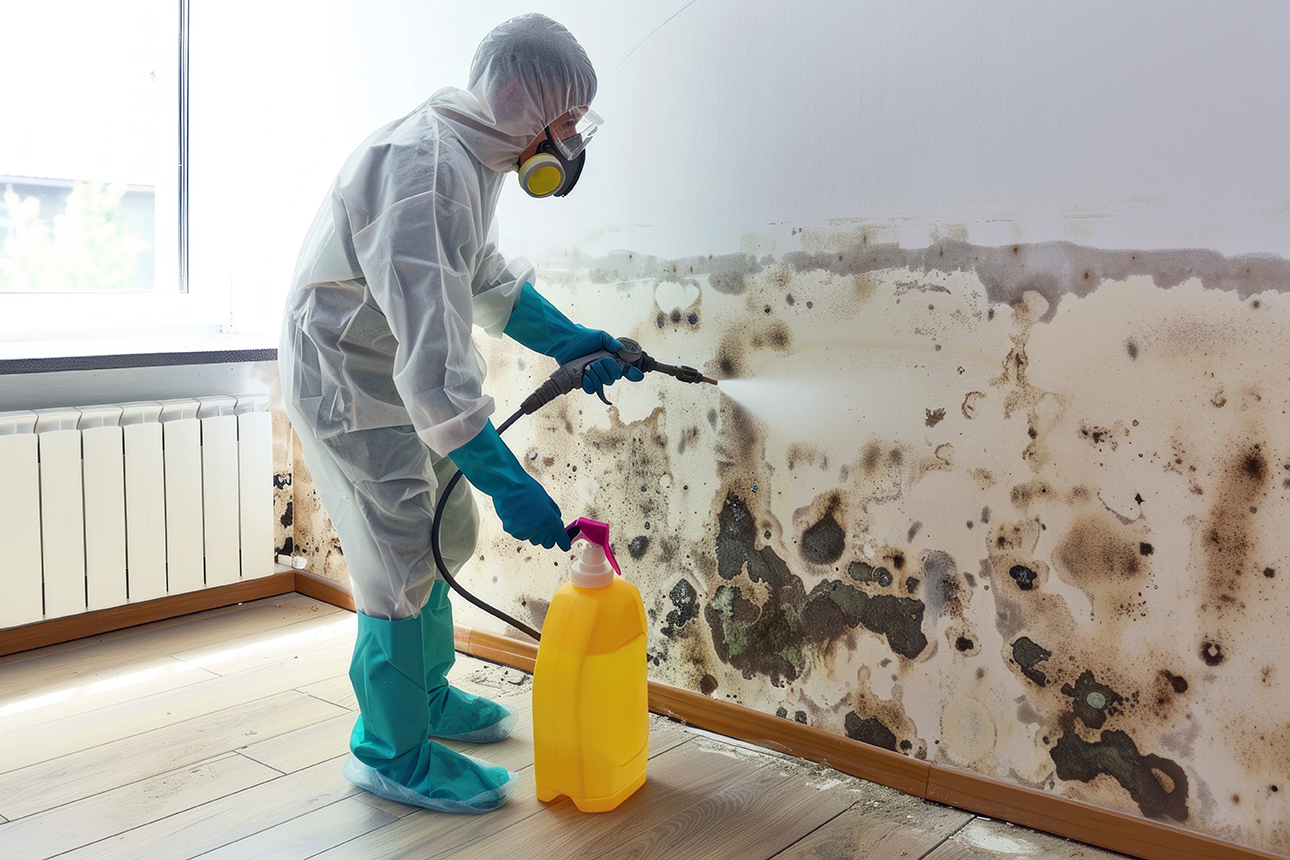
How to Know When You Need a Mold Inspection Deltona FL to Prevent Further Damage
Dealing with mold growth can be overwhelming, and understanding when to involve a professional is essential to safeguard both your property and health. While small areas of mold may sometimes be handled independently, there are circumstances where professional intervention is required. Below, we outline the scenarios where contacting a mold remediation expert becomes crucial.
1. Mold Covers Large Areas
According to the Environmental Protection Agency (EPA), if mold covers an area larger than 10 square feet, it’s time to call in professionals. Large-scale infestations often indicate a deeper issue, such as significant water damage or hidden moisture problems that need expert assessment and resolution.
2. Persistent Mold Growth
If you’ve attempted cleaning visible mold only for it to return repeatedly, it’s likely that the root cause hasn’t been addressed. Professionals have the equipment and expertise required to identify hidden sources of moisture—such as behind walls or under flooring—and eliminate mold at its source.
3. Musty Odors Without Visible Mold
A persistent musty smell in your home is a strong indicator of hidden mold growth. Mold can thrive in inaccessible areas like HVAC systems, wall cavities, or beneath carpets. Professionals use advanced tools such as infrared cameras and moisture meters to locate these concealed infestations.
4. Health Problems Among Occupants
Exposure to mold can cause symptoms like allergies, respiratory issues, skin irritation, or headaches—especially for individuals with asthma or compromised immune systems. If household members experience unexplained health problems that improve when they leave the house, it’s essential to consult a remediation specialist.
5. Water Damage History
Homes that have experienced flooding, burst pipes, roof leaks, or other forms of water damage are at high risk for mold development—even months after the initial event. A professional inspection will ensure all affected areas are thoroughly dried and treated to prevent future outbreaks.
6. Structural Damage Signs
Over time, unchecked mold growth can weaken structural elements like wooden beams and drywall by breaking them down at a cellular level. Signs such as soft floors or warped walls indicate advanced damage that requires immediate attention from specialists trained in both remediation and repair.
The Benefits of Hiring a Professional for Mold Testing Deltona FL
- Accurate Assessment: Professionals evaluate both visible and hidden contamination using specialized tools.
- Thorough Cleaning: They utilize industrial-grade equipment and techniques like HEPA filtration.
- Prevention Strategies: Experts identify the underlying causes (e.g., ventilation issues) and recommend solutions.
- Safety Measures: Proper containment prevents spore spread during removal.
| Service Provided | DIY Approach | Professional Help |
| Surface Cleaning | Limited | Comprehensive |
| Subsurface Contamination Detection | Not possible | Advanced equipment |
| Health Risk Mitigation | Limited effectiveness | High effectiveness |
Taking swift action by involving experts minimizes risks while ensuring long-term protection for your home or business environment against further damage caused by recurring mold issues.
How to Choose the Best Mold Removal Company Deltona FL to Prevent Further Damage
Mold is not just an eyesore; it poses significant risks to both your health and the structural integrity of your home. While minor mold growth can sometimes be addressed with DIY solutions, certain situations require the expertise of a professional mold remediation specialist. Knowing when to seek professional help is essential for preventing further damage and ensuring effective removal.
Signs You Need a Mold Remediation Professional
- Extensive Spread
If mold covers an area larger than 10 square feet, it’s beyond the scope of DIY cleanup. Large-scale infestations are more likely to penetrate surfaces like drywall or wood, necessitating specialized removal methods. - Recurrent Mold Growth
If you’ve removed mold in the past, only for it to come back repeatedly, this points to an underlying issue such as moisture intrusion or poor ventilation. Professionals can investigate the root cause and provide long-term solutions. - Mold in HVAC Systems
Mold growth within ductwork or HVAC systems can spread spores throughout your home every time the system operates. Cleaning such areas requires advanced equipment and techniques that only trained professionals possess. - Health Symptoms Among Occupants
Persistent respiratory issues, skin irritation, or allergic reactions in people exposed to your home may suggest significant hidden mold growth. Professionals use tools like infrared cameras and air quality testing equipment to locate concealed colonies.
Situations Requiring Immediate Action
| Situation | Why Professional Help is Critical |
| Water Damage | Lingering moisture after leaks or floods creates ideal conditions for rapid mold development (within 24–48 hours). Experts mitigate water damage alongside mold removal. |
| Structural Damage | When structural components such as beams or flooring are compromised due to prolonged mold exposure, professionals assess whether repairs or replacements are necessary during remediation efforts. |
| Toxic Mold Presence | Certain types of molds, such as Stachybotrys chartarum (black mold), release mycotoxins that pose serious health risks. Specialized containment and handling strategies are needed for safe removal. |
Benefits of Hiring a Professional
- Thorough Inspection – Trained specialists conduct comprehensive assessments using high-tech tools like moisture meters and thermal imaging cameras.
- Safe Containment – Professionals establish containment zones utilizing HEPA filters and negative air machines.
- Effective Removal Techniques – They employ industry-standard methods like dry ice blasting or antimicrobial treatments while ensuring minimal disruption.
- Prevention Strategies – Experts provide tailored advice on ventilation improvements, waterproofing solutions, and other preventive measures based on their findings.
Cost vs Risk Analysis
While professional services may seem expensive upfront, delaying intervention could lead to higher repair costs later on if untreated mold causes severe structural damage or widespread contamination.
By recognizing these signs early and acting promptly with expert assistance, you protect both your home’s value and its occupants’ well-being from long-term harm caused by unchecked mold outbreaks.
- The Importance of Prompt Mold Removal Deltona FL to Protect Your Home
- Mold Removal Deltona FL: How to Spot It After Water Damage and Prevent Future Issues
- Mold Removal Deltona FL: Understanding the Difference Between Abatement and Remediation
- What to Expect During Mold Remediation in Deltona FL and How Much It Costs
- Effective Mold Remediation Deltona FL: 3 Signs of Black Mold and How to Remove It
- Essential Tips for Mold Inspection Deltona FL: How to Spot Black Mold and Expert Tips for Mold Removal Deltona FL
- How to Determine If You Need Mold Removal Deltona FL Services
- Understanding Mold Remediation Deltona FL: Key Differences from Mold Removal
- Understanding Mold Removal Deltona FL: Costs and Key Factors to Consider