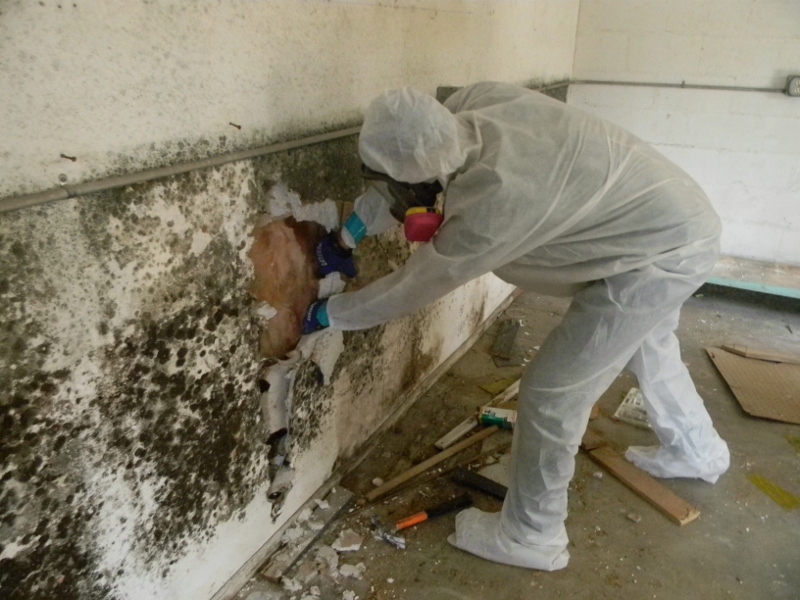
Black mold, also known as Stachybotrys chartarum, can pose significant health risks if not addressed promptly. Whether it’s in your home or workplace, identifying the signs of black mold early is essential for maintaining a safe environment. Below are three key indicators of black mold and effective strategies for removing it.
1. Visible Dark Spots or Growth
Black mold often appears as dark greenish-black or slimy patches on damp surfaces. It typically thrives in areas with high humidity or persistent moisture, such as:
– Bathrooms (around tiles, under sinks)
– Basements (on walls, floors, or ceilings)
– Kitchens (near leaky pipes or dishwashers)
If left unchecked, these patches can spread quickly to other surfaces like drywall and wood. Early detection is crucial to prevent extensive property damage.
2. Persistent Musty Odor
Even if you cannot see visible mold growth, a strong musty odor may indicate its presence. This smell often resembles the scent of rotting wood or damp clothing left in a confined space. If the odor persists after cleaning and airing out the space, it’s important to investigate hidden areas like:
– Behind walls and wallpaper
– Beneath carpets and flooring
– Inside HVAC systems
3. Allergy-Like Symptoms
Exposure to black mold can lead to noticeable health issues even before you spot any visual signs. Common symptoms include:
– Respiratory problems (such as coughing or wheezing)
– Skin irritation (rashes or itchiness)
– Watery eyes or nasal congestion
These symptoms often worsen over time if the source of mold isn’t addressed.
Effective Ways to Remove Black Mold Deltona FL
Once black mold has been identified, removing it promptly is essential to protect both your property and health.
Method 1: Use Natural Cleaning Solutions for Small Areas
For minor outbreaks (less than 10 square feet), natural solutions can be used safely: 1. Mix white vinegar with water in a 1:1 ratio. 2. Spray directly onto the affected area. 3. Scrub gently using a sponge or brush. 4. Allow the surface to dry completely.
Alternatively, baking soda mixed with water creates an abrasive paste that works well on porous materials like grout.
Method 2: Apply Commercial Mold Removal Products
For more stubborn cases, consider using EPA-approved commercial cleaning agents designed for mold removal: 1. Choose a product labeled “mold-killing” rather than just “mold-resistant.”
2. Follow the manufacturer’s instructions carefully. 3. Wear protective gloves and goggles while applying these chemicals.
Method 3: Address Hidden Mold with Specialized Tools
Mold behind walls or inside ventilation systems requires more comprehensive action: – Use a moisture meter to locate hidden damp areas. – Employ HEPA-filtered vacuum cleaners for initial cleanup. – Replace contaminated drywall if necessary.
Essential Tips for Mold Inspection Deltona FL and Preventing Recurrence
| Action | Details |
| Fix leaks quickly | Check plumbing regularly for leaks |
| Improve ventilation | Install exhaust fans in kitchens/bathrooms |
| Control indoor humidity | Use dehumidifiers; maintain levels below 50% |
| Clean regularly | Focus on damp-prone spaces like basements |
By addressing environmental factors that promote moisture buildup, you can significantly reduce the likelihood of recurring black mold issues within your home or office spaces.
Key Indicators for Mold Removal Deltona FL: What Black Mold Looks and Smells Like
Identifying black mold is an essential first step in addressing potential mold problems in your home or workplace. Understanding its visual and olfactory characteristics can help you distinguish it from other types of mold and take appropriate action. Below are key indicators to help you identify black mold effectively.
Comprehensive Guide to Mold Testing Deltona FL: Identifying Black Mold
Black mold, commonly referred to as Stachybotrys chartarum, often exhibits distinct visual traits that make it recognizable:
- Color:
True to its name, black mold generally appears in shades of dark green, gray, or black. It may also have a slightly slimy or shiny texture if it is actively growing in a moist environment. In some cases, dried-out colonies may appear powdery or flaky. - Shape and Growth Pattern:
Black mold typically grows in circular clusters but can spread irregularly over large surfaces if left unchecked. It thrives on porous materials such as wood, drywall, wallpaper, or fabric. You might notice discoloration or dark patches on surfaces where moisture is present. - Surface Damage:
Areas affected by black mold may show signs of deterioration, like peeling paint, warped drywall, or crumbling plaster. If you observe structural changes alongside visible discoloration, it could indicate an active infestation over time.
| Characteristic | Description |
| Color | Dark green, gray, or black |
| Texture | Slimy (when wet) / Powdery (when dry) |
| Common Surfaces | Wood, drywall, wallpaper |
| Growth Pattern | Circular clusters / Irregular spread |
How to Find the Best Mold Removal Company Deltona FL
- Musty Odor:
The smell of black mold is often described as damp and earthy with a strong musty quality. It may resemble the scent of decaying wood or wet soil and tends to linger even after airing out the space. - Persistent Scent:
The odor usually intensifies in rooms with poor ventilation and high humidity levels. If the smell becomes more pronounced when air conditioning systems are running or after periods of rainfall, this could indicate hidden mold growth within walls or HVAC systems.
Conditions That Promote Black Mold Growth
- High Humidity Levels (Above 60%): Environments with consistent moisture provide ideal conditions for growth.
- Water Damage Areas: Leaks from roofs, pipes, flooding incidents contribute significantly.
- Poor Ventilation: Spaces like basements or bathrooms without proper airflow trap moisture.
- Organic Materials: Surfaces such as paper-backed drywall and untreated wood act as food sources for spores.
How to Confirm if It’s Black Mold
- Perform a tape-lift test by pressing clear adhesive tape onto the suspected surface and sending it to a certified lab for analysis.
- Purchase at-home testing kits designed specifically for detecting toxic molds.
- Consult with professional remediation services if the infestation appears extensive.
Timely identification ensures that mitigation strategies are effective while preventing further health risks associated with exposure to toxic spores prevalent in black molds’ lifecycle. Addressing both visual evidence and odors can provide clarity on whether professional intervention is required immediately.
Signs of Black Mold and Effective Ways to Remove It
Black mold, scientifically referred to as Stachybotrys chartarum, is a common household problem that can pose serious health risks if left untreated. Identifying its presence early and addressing it promptly is essential. This section outlines the key signs of black mold and provides effective removal strategies.
Signs of Black Mold
- Black mold often appears as dark green, black, or grayish patches on walls, ceilings, or other surfaces.
- It may have a slimy or fuzzy texture when wet and look powdery when dry.
- A distinct musty or earthy smell is often associated with black mold. This odor may persist even if the mold is hidden behind walls or under flooring.
- It thrives in damp environments like bathrooms, basements, kitchens, or areas affected by leaks or flooding.
- Common surfaces include drywall, wood paneling, carpeting, grout lines, and insulation materials.
- Prolonged exposure can lead to symptoms such as coughing, sneezing, itchy eyes, headaches, fatigue, and even respiratory issues.
- People with allergies or compromised immune systems may notice heightened reactions in the presence of black mold.
Effective Ways to Remove Black Mold
- Wear protective gear such as gloves, goggles, masks (preferably N-95), and long-sleeved clothing to avoid direct contact with spores.
- Isolate the affected area by sealing doors and vents with plastic sheeting to prevent spores from traveling.
- Use Cleaning Solutions:
Common cleaning agents for black mold removal include:
| Solution | How to Use |
| Vinegar | Spray undiluted white vinegar on affected surfaces; let it sit for an hour before scrubbing off with a brush. |
| Baking Soda + Water | Create a paste using baking soda and water; scrub gently onto the surface before wiping clean. |
| Bleach (Caution) | Mix 1 cup of bleach with 1 gallon of water; apply carefully on non-porous surfaces only using a sponge.* |
*Note: Avoid using bleach on porous materials like wood or drywall as it doesn’t effectively penetrate these surfaces.
- Scrub Contaminated Surfaces:
Use stiff-bristle brushes to thoroughly scrub away visible growth on hard surfaces such as tiles or countertops. - Dispose of Contaminated Materials:
If porous materials like carpets or drywall are heavily infested:- Remove them entirely since these items can trap spores even after cleaning.
- Seal discarded materials in plastic bags before disposing them safely according to local waste guidelines.
- Dry the Area Thoroughly:
After cleaning:- Use dehumidifiers or fans to ensure the area is completely dry.
- Address any underlying moisture issues (e.g., leaks) promptly to prevent recurrence.
Prevention Measures
To reduce the chances of future outbreaks: – Maintain indoor humidity levels between 30–50%. Use a hygrometer for monitoring. – Fix leaks in roofs, pipes, windowsills immediately upon discovery. – Ensure proper ventilation in bathrooms and kitchens by installing exhaust fans. – Clean gutters regularly to prevent water buildup around your home’s foundation.
By recognizing these signs early and following these proven removal methods effectively, you can safeguard your home against black mold while minimizing health risks associated with its presence.

Step-by-Step Guide for DIY Mold Removal at Home
Removing mold from your home can be a manageable task if done correctly. While professional help is sometimes necessary, small-scale mold problems can often be addressed with a systematic DIY approach. Below is a step-by-step guide to help you tackle mold removal safely and effectively.
Step 1: Assess the Extent of the Mold Problem
Before starting the removal process, evaluate the severity of the mold growth:
– Small areas: Less than 10 square feet, such as corners of bathrooms or under sinks, are generally safe for DIY removal.
– Larger areas: If affected areas exceed 10 square feet or include HVAC systems, consider consulting a professional.
– Hidden mold: If you notice musty odors without visible growth, it may indicate hidden mold that requires specialized equipment to detect.
Step 2: Gather Necessary Supplies
Proper tools and materials are essential for safe and effective mold removal. Here’s a list of what you’ll need:
– Protective gear:
– N95 mask or respirator mask
– Safety goggles or glasses
– Non-porous gloves (rubber or nitrile)
– Cleaning solutions:
– White vinegar (undiluted)
– Baking soda (optional for scrubbing)
– Commercial mold remover or bleach solution (1 cup bleach per gallon of water)
– Tools and cleaning items:
– Scrub brush or sponge
– Microfiber cloths
– Spray bottle
– Bucket and disposable trash bags
Step 3: Prepare the Area
Mold spores can easily spread during cleaning, so containment is critical. Follow these precautions to minimize cross-contamination:
1. Seal off contaminated areas using plastic sheeting and painter’s tape if necessary.
2. Turn off fans, HVAC systems, and air purifiers to prevent spores from circulating through your home’s air ducts.
Step 4: Apply Cleaning Solution
For non-porous surfaces like tiles, glass, metal, or sealed wood: 1. Spray white vinegar directly onto the affected area and let it sit for at least one hour. 2. Scrub gently with a brush to remove visible mold stains. 3. Wipe away residue with a damp cloth and allow surfaces to dry completely.
For porous materials such as drywall, carpets, or untreated wood: – In some cases, these materials may need to be replaced entirely as they absorb moisture deeply and cannot always be cleaned effectively.
Step 5: Dispose of Contaminated Materials Safely
Collected debris like sponges or damaged materials should be bagged immediately in heavy-duty trash bags to prevent further contamination before disposal.
Step 6: Dry and Ventilate the Area
Once all visible mold has been removed: 1. Use dehumidifiers to reduce moisture levels below 50%. 2. Open windows where possible to increase airflow in affected spaces.
| Key Steps | Best Practices |
| Containment | Use plastic sheeting & seal vents |
| Cleaning Solutions | Use natural options like vinegar |
| Disposal | Double-bag contaminated items |
Step 7: Prevent Future Mold Growth
After removing existing mold: – Fix leaks promptly in pipes, roofs, or windows. – Ensure proper ventilation in high-moisture areas such as bathrooms and kitchens. – Regularly clean gutters to prevent water buildup near your home’s foundation.
By following this step-by-step guide carefully, homeowners can address minor infestations while maintaining safety standards throughout the process.
The Health Risks of Black Mold Exposure and Why You Should Act Quickly
Black mold, scientifically known as Stachybotrys chartarum, is a toxic fungus that can pose significant health risks. While many types of mold are relatively harmless, black mold stands out for its potential to cause serious complications, particularly when exposure is prolonged. It thrives in damp and humid conditions, making it a common concern in households with water damage or high humidity levels. Understanding the associated health risks is crucial to ensure timely action.
Common Symptoms of Black Mold Exposure
- Persistent coughing or wheezing
- Difficulty breathing or shortness of breath
- Aggravation of asthma symptoms
- Sneezing and nasal congestion
- Red, itchy eyes
- Skin irritation or rashes
- Neurological Effects (in severe cases):
- Headaches or migraines
- Fatigue and dizziness
- Difficulty concentrating (often referred to as “brain fog”)
At-Risk Populations
| Vulnerable Group | Reason for Increased Risk |
| Children | Developing immune systems make them more susceptible |
| Elderly Individuals | Weaker immune systems and pre-existing health issues |
| People with Respiratory Conditions | Pre-existing asthma, COPD, or allergies exacerbate symptoms |
| Immunocompromised Individuals | Reduced ability to fight off mold-related infections |
Long-Term Health Implications
- Development of chronic respiratory conditions such as asthma
- Infections in the lungs for individuals with weakened immune systems
- Toxicity that affects neurological functions, leading to memory loss or confusion
It’s important to note that long-term effects often require extensive decontamination efforts and medical intervention.
Why Swift Action Is Essential
- Increased Spore Growth: Mold spreads rapidly under ideal conditions (dampness combined with warmth), making it harder to contain over time.
- Structural Damage: Black mold gradually eats away at surfaces such as drywall, wood, and insulation.
- Higher Remediation Costs: Delaying removal leads to extensive damage requiring professional intervention.
- Escalating Health Risks: Continued exposure increases susceptibility to severe health issues.
Preventative Measures
- Use an N95 mask when cleaning small areas.
- Seal off affected areas from living spaces using plastic sheeting.
- Ensure proper ventilation by opening windows if weather permits.
By addressing signs of black mold promptly and following these steps, you can mitigate potential hazards while safeguarding your health effectively.
When to Call a Professional for Safe and Thorough Mold Removal
Mold removal can often be managed with DIY methods for small, localized problems, but certain situations require the expertise of a professional. Knowing when to seek professional help ensures the safety of your home and family while preventing further complications. Below is a comprehensive guide on when it’s time to call in the experts.
Extensive Mold Infestation
When mold growth exceeds 10 square feet or spreads across multiple areas of your home, it’s typically too large to handle with DIY methods. Professionals have specialized equipment and training to safely remove mold from large areas without spreading spores to other parts of the property.
Mold in HVAC Systems
If mold is detected in your heating, ventilation, or air conditioning (HVAC) system, it’s crucial to contact a professional. HVAC systems can circulate harmful mold spores throughout your home if not properly cleaned. Professionals use advanced tools and techniques to thoroughly clean ductwork and ensure the system is safe for operation.
Recurring Mold Issues
If you’ve removed mold yourself but continue to see it reappear, this could indicate an underlying moisture issue that hasn’t been resolved. Professionals can identify hidden sources of moisture or water damage that may be contributing to persistent mold problems.
Health Concerns
Exposure to black mold and other toxic molds can lead to serious health issues, particularly for individuals with weakened immune systems, allergies, asthma, or other respiratory conditions. If anyone in your household experiences unexplained symptoms like coughing, sneezing, skin irritation, or breathing difficulties—and there is visible mold present—it’s time for professional assistance.
Structural Damage from Mold
In severe cases where mold has penetrated porous materials such as drywall, insulation, or wood framing, structural damage could occur. Attempting to address this on your own may worsen the problem or compromise the integrity of your home. Professionals have the knowledge necessary for assessing damage and recommending appropriate remediation steps.
Situations Involving Toxic Black Mold
Black mold (Stachybotrys chartarum) is particularly dangerous due to its potential toxicity. If you suspect black mold based on its appearance (dark greenish-black patches) or smell (musty odor), consult an expert immediately rather than attempting removal on your own.
Benefits of Hiring Professionals
- Expertise: Professionals are trained in identifying different types of molds and tailoring their removal strategies accordingly.
- Advanced Equipment: They use industrial-grade equipment like HEPA vacuums and air scrubbers designed specifically for handling hazardous materials.
- Thorough Inspection: Experts perform detailed inspections using tools such as thermal imaging cameras and moisture meters to locate hidden sources of contamination.
- Preventing Cross-Contamination: Proper containment methods are employed during remediation projects so that disturbed spores don’t spread throughout unaffected areas.
| DIY Mold Removal | Professional Mold Remediation |
| Limited effectiveness | Comprehensive solutions |
| Risk of improper handling | Safe disposal practices |
| May miss hidden infestations | Full inspection & prevention plans |
Recognizing when professional intervention is necessary can save time, money, and unnecessary risks associated with ineffective treatment efforts. By relying on experts with proper certifications like IICRC (Institute of Inspection Cleaning and Restoration Certification), you ensure high-quality results that safeguard both health and property.
- The Importance of Prompt Mold Removal Deltona FL to Protect Your Home
- Mold Removal Deltona FL: How to Spot It After Water Damage and Prevent Future Issues
- Mold Removal Deltona FL: Understanding the Difference Between Abatement and Remediation
- What to Expect During Mold Remediation in Deltona FL and How Much It Costs
- Effective Mold Remediation Deltona FL: 3 Signs of Black Mold and How to Remove It
- Essential Tips for Mold Inspection Deltona FL: How to Spot Black Mold and Expert Tips for Mold Removal Deltona FL
- How to Determine If You Need Mold Removal Deltona FL Services
- Understanding Mold Remediation Deltona FL: Key Differences from Mold Removal
- Understanding Mold Removal Deltona FL: Costs and Key Factors to Consider